

How Long Was Your Recovery From A Ventral Hernia Repair
What Is a Hernia? Understanding Causes, Symptoms and Treatments

A hernia is a medical status that occurs when a weakened portion of muscle wall or membrane allows internal organs and/or surrounding fatty tissue to protrude outside of the space where they normally sit in your body. There are several different types of hernias, and they're classified based on the expanse of your body where they develop. Hernias are most commonly found around the belly and lower torso regions.
Regardless of the location, hernias can range in severity; some hernias resolve on their ain and some require surgical intervention to prevent dangerous consequences. Read on to find out how hernias tin can be prevented, identified and managed.
Hernia Symptoms and Warning Signs

At that place are several different types of hernias. Out of those listed below, almost fourscore% of hernias people feel are inguinal or femoral.
- Inguinal: Occurs in the groin area where the pare of the thigh and the body joins (also known as the inguinal fold)
- Femoral: Occurs at the meridian of the thigh below the inguinal ligament
- Umbilical: Occurs when increased intestinal pressure leads to a hernia in the abdomen surrounding the bellybutton
- Incisional: Occurs after intestinal or pelvic surgery when the weakened tissues around the surgery site may serve as the site for incisional hernias
- Diaphragmatic/Hiatal: Occurs when there's a defect in the diaphragm (a musculus that separates the abdomen and the lung cavity) and part of the stomach or intestines may protrude upward into the chest cavity, causing internal bulges
Hernias can occur suddenly and without warning or develop more slowly over time. Depending on the hernia's anatomical location likewise as its cause, symptoms tin can range from nonexistent to astringent. Mild hernias sometimes won't cause whatsoever symptoms due to the small size of the protrusion. If you exercise experience symptoms, they may include:
- Bulging of your pare that you lot tin see, feel or even push back into your body
- A sensation of pressure, especially when you lot tense the muscles surrounding the hernia
- Pain or a called-for awareness that may increase during straining activity like cough or a bowel motion
- Acid reflux or heartburn, which appears with diaphragmatic hernias
In some cases, intestinal tissue can get trapped inside the herniated area. This can lead to two serious medical complications that result in the post-obit symptoms:
- Obstruction (blockage of the abdominal tract): Severe pain, nausea, airsickness, tum pain
- Strangulation (loss of blood supply): Increased pain, trample-like discoloration of the hernia, increased center rate, fever — strangulation is a medical emergency and can pb to significant tissue death if not treated correct away
If you're experiencing any of the to a higher place symptoms, they're indications you've developed a hernia. If bulges under your peel increase in size when you're coughing or straining — or if you accept recurring discomfort or pain at the same generalized location when lifting heavy objects or during strained bowel movements or urination — this may be a warning sign. Visit your doctor as soon as possible to have them confirm the presence of a hernia or provide another diagnosis.
Causes of and Risk Factors for Hernias

Hernias can happen to almost anyone at any fourth dimension, although the bulk of hernias occur in adults. Some individuals may be more at risk than others. Generally, the presence of a hernia is related to increased internal body pressure level and/or weakened muscle or connective tissue. The following factors can contribute to the onset of a hernia:
- Repeated strain: A chronic cough or constipation tin increase internal force per unit area and worsen a hernia.
- Heavy lifting: Workplace or recreational heavy lifting can strain your trunk and pb to the development or worsening of a hernia.
- Injury: Muscle strains or joint dislocations can make you more vulnerable to developing hernia protrusions.
- Historic period: Connective tissue typically becomes weaker in older adults over fourth dimension.
- Assigned sex: Hernias occur more commonly in people who are assigned male at nascency.
- Pregnancy: Increased internal organ pressure level can trigger a hernia.
- Surgery: Surgical incisions and scarring can lead to weakened tissue areas where hernias can more hands occur.
- Connective tissue disorders: These conditions may exist nowadays since birth and lead to hernias.
- Premature birth or fetal evolution: Failed embryonic closures in male person fetuses can set the phase for inguinal hernias to class subsequently in adult life.
- Family history: Having close relatives with a history of hernias increases your likelihood of developing this condition.
- Previous hernia: Having already had a hernia makes it more likely that another volition occur.
If you have multiple risk factors or suspect that you're experiencing symptoms of a hernia, it's of import to contact your healthcare provider for assessment and treatment options.
Hernia Testing and Diagnosis
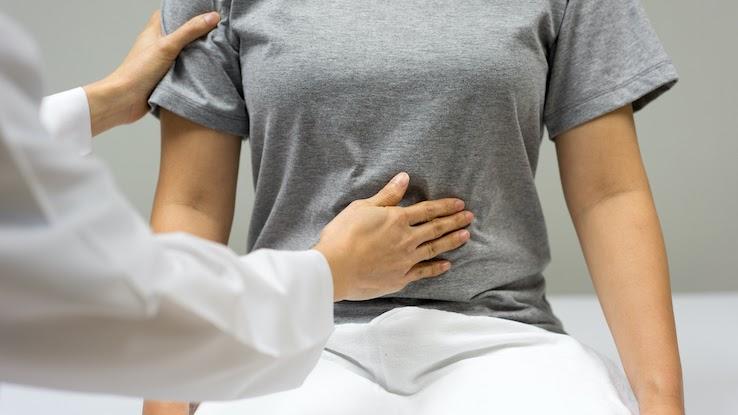
Because hernias are external or internal protrusions of trunk parts due to a combination of weakened muscle tissue and increased internal body force per unit area, the two near common methods for testing and diagnosing hernias are physical exams and X-ray imaging. Depending on the surface area where the hernia is present, your healthcare provider may perform additional diagnostic testing to dominion out other more serious medical conditions that are unrelated to hernias.
- Concrete exam: A healthcare provider usually palpates, or feels, the affected bulge to gauge the texture, size and fullness of the protrusion and see its reaction to pressure level. They'll also visually evaluate the protrusion for discoloration; inflammation or abnormally night blotches may signify infection or strangulation.
- Medical history: Your healthcare provider may enquire virtually previous surgeries, a family history of hernias, recent activity levels or injuries and recent symptoms you've experienced.
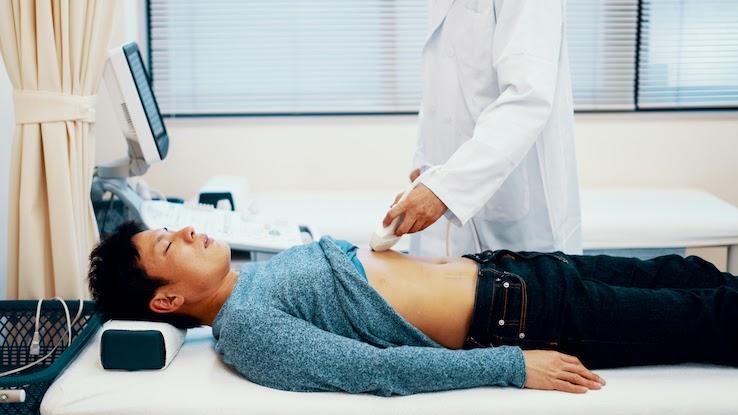
- Imaging: Your provider may gild an 10-ray, ultrasound, CT scan or MRI to confirm the presence of a hernia or visualize its severity. This is peculiarly common with internal hernias.
- Endoscopy: Depending on the area of your body where the hernia is present, your medical provider may society an endoscopy procedure. This involves sending a small camera through your oral cavity to display your internal organs and aid your doc see the location of the hernia.
- Other tests: Blood tests, tissue biopsies or stool samples may be ordered so your provider tin can evaluate whether other medical weather condition may exist related to or presenting as a hernia.
Hernias share symptoms with many other medical conditions that crave completely different treatments. These can include heartburn, appendicitis, pancreatitis, irritable bowel syndrome and gallstones, to name a few. Untreated hernias can also pb to serious conditions that can exist life-threatening, and then it's important to consult with a medical provider upon the first alarm signs or symptoms of a hernia.
Preventing and Treating Hernias
Hernias are typically the result of excessive internal actual pressure combined with defects in the supporting muscles that hold your organs in place. This means you can sometimes proceed a hernia from developing by reducing the pressures exerted inside your body and by strengthening organ-supporting muscles, such equally your abdominal muscles. Some strategies y'all can apply to reduce your risk of developing a hernia include the following:
- Exercise: Regular gentle strengthening exercises can help buffer against weakened musculus tissue that makes it easier for hernias to form.
- Maintain your weight: Drastic weight fluctuations can also weaken muscle tissues, cause strain and let hernias to form.
- Eat fiber: Increasing your daily fiber intake can prevent abdominal hernias past alleviating constipation, which is one of the causes of increased internal body pressure.
- Avoid strain: Use caution when doing any activity that involves heavy lifting.
- Manage underlying conditions: It'south important to seek treatment for any acute or ongoing conditions that might pb to a chronic coughing or torso fluid buildup, as these weather can increase your risk of developing a hernia.
- Follow postal service-op advice: If you've recently had surgery, exist sure to avoid heavy lifting and smoking, and maintain a balanced diet in order to support healing and lower your adventure of an incisional hernia.
People with tissue and muscle disorders, pregnant people and professional athletes or individuals whose jobs require abiding heavy lifting should consult with a healthcare professional for specialized preventative advice that can help them avoid internal pressure level buildup and muscle tissue strains.
Hernias mostly don't heal spontaneously. They normally increase in size if left untreated. In mild cases, your doc may exist able to gently push a protrusion back into your body crenel and monitor it over time. However, to prevent a recurrence, information technology withal may exist important to care for the tissue defect that allowed the hernia to form.
The only available handling option for hernias is surgery. Depending on the location of the hernia, the duration of the surgical procedure and the length of time it takes to recover can vary. A successful surgery volition repair the hernia and relieve all of your symptoms.
Usually, yous'll accept general anesthesia earlier this blazon of procedure, and then you lot won't feel pain during the surgery. Even so, there are risks with anesthesia, so exist certain to talk over possible alternatives with your provider. During the procedure, the surgeon will make a small incision at the hernia site and carefully motion the hernia back to the proper space in your body. Subsequently, the doctor will place a piece of synthetic mesh at the site to assist strengthen the tissue walls. Gradually, the mesh will grow into the weakened tissue to help form a stronger barrier, with the intention of preventing further weak spots.
In some cases of intestinal-expanse hernias, yous may need a slightly different procedure chosen laparoscopic surgery. In this procedure, the surgeon uses a fiber-optic viewing tube known as a laparoscope, along with special instruments, to repair the hernia. Three pocket-size incisions, roughly 10 millimeters each in length, are fabricated in your belly button and on each side of your belly. The surgeon inserts the laparoscope through the incisions and repairs the protrusion using special instruments. In more serious cases, like intestinal strangulation, the surgeon may choose to entirely remove the contents of the hernia. Because this surgery utilizes tiny incisions, it requires less recovery time than traditional hernia repair surgery.
If y'all notice whatsoever signs of a hernia forming, brand an date with your healthcare provider to hash out whether intervention is necessary. Remember that leaving a hernia untreated can lead to a sudden medical emergency, and then information technology's important to manage your symptoms early.
Resource Links:
https://www.ncbi.nlm.nih.gov/books/NBK395554/
https://my.clevelandclinic.org/health/diseases/15757-hernia
https://www.hopkinsmedicine.org/health/conditions-and-diseases/how-to-tell-if-you-accept-a-hernia
https://www.mayoclinic.org/diseases-weather condition/inguinal-hernia/symptoms-causes/syc-20351547

Source: https://www.symptomfind.com/health/hernia-condition?utm_content=params%3Ao%3D740013%26ad%3DdirN%26qo%3DserpIndex
Posted by: irizarryriplat.blogspot.com
0 Response to "How Long Was Your Recovery From A Ventral Hernia Repair"
Post a Comment